Realism Period
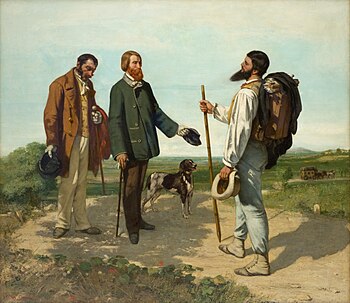
Realism was an artistic movement that began in France in the 1850s, following the 1848 Revolution. Realists rejected Romanticism, which had dominated French literature and art since the late 18th century, revolting against the exotic subject matter and exaggerated emotionalism of the movement. Instead, Realists sought to portray “real” contemporary people and situations with truth and accuracy, including all the unpleasant or sordid aspects of life. Realist works depicted people of all classes in ordinary life situations, which often reflected the changes brought on by the Industrial and Commercial Revolutions.
The Realists depicted everyday subjects and situations in contemporary settings and attempted to depict individuals of all social classes in a similar manner. Classical idealism, Romantic emotionalism, and drama were avoided equally, and often sordid or untidy elements of subjects were showcased somewhat, as opposed to being beautified or omitted. Social realism emphasized the depiction of the working class and treated working-class people with the same seriousness as other classes in art. Realism also aimed to avoid artificiality in the treatment of human relations and emotions; treatments of subjects in a heroic or sentimental manner were rejected. Important figures in the Realist art movement were Gustave Courbet, Honore Daumier, and Jean-Francois Millet.

Characteristics Of Realism
1. Feelings of disillusionment
2. Common subjects; slums of rapidly growing cities, factories replacing farmlands, poor factory workers, corrupt politicians
3. Represented the manner and environment of everyday life and ordinary people as realistically as possible (regionalism)
4. Sought to explain behavior (psychologically/socially).

No comments:
Post a Comment